

Imagine buying a vehicle only to discover it has repeated defects that leave you stranded. You’re not alone—and you don’t have to accept it. State-specific protections exist to ensure manufacturers address chronic issues, whether through repairs, refunds, or replacements.
These rules apply when a newly purchased or leased vehicle fails to meet quality standards despite multiple repair attempts. Both local regulations and federal warranty laws work together to protect buyers. For example, federal guidelines require clear warranty terms, while state statutes define timelines for resolving disputes.
Consumers gain leverage by understanding their options. If unresolved, cases may involve arbitration or legal action. This guide clarifies critical steps—from documenting repair histories to negotiating solutions—so you can confidently address persistent vehicle problems.
Table of Contents
Key Takeaways
- State and federal laws provide remedies for unresolved vehicle defects during warranty periods
- Manufacturers must attempt repairs or offer compensation if issues persist
- Arbitration is often required before pursuing litigation
- Written documentation of repair attempts strengthens claims
- Remedies may include refunds, replacements, or expense reimbursements
Understanding the Missouri New Vehicles Warranty Law
Purchasing a car should feel exciting, not stressful. State-specific safeguards exist to ensure manufacturers address recurring mechanical failures or safety concerns. These rules focus on new vehicles sold by licensed dealers, offering clear paths to resolve unresolved issues.
What Qualifies as a Covered Issue?
A nonconformity refers to any defect that significantly reduces a vehicle’s usability, resale value, or safety. Examples include engine failures, brake malfunctions, or electrical system errors. To qualify, these problems must persist after multiple repair attempts or render the car unusable for 30+ business days.
Warranty Terms and Consumer Responsibilities
The law applies exclusively to new vehicles purchased from dealerships. Coverage lasts one year from delivery or 12,000 miles, whichever comes first. Owners must report defects in writing and allow at least four repair attempts before escalating the issue.
Federal guidelines under the Magnuson-Moss Warranty Act strengthen these protections. For instance, manufacturers must provide written warranties explaining coverage details. If unresolved, consumers can pursue remedies like refunds or replacements through arbitration or legal action.
Missouri Lemon Law: Eligibility and Repair Attempts
When your new car keeps breaking down, knowing your rights is crucial. State protections kick in only if you follow specific steps to document defects and repair attempts.
Critical Deadlines for Reporting Issues
Owners must notify manufacturers within one year of discovering a defect. This window aligns with most factory warranties. Delayed reporting could void protections, even if the problem persists later.
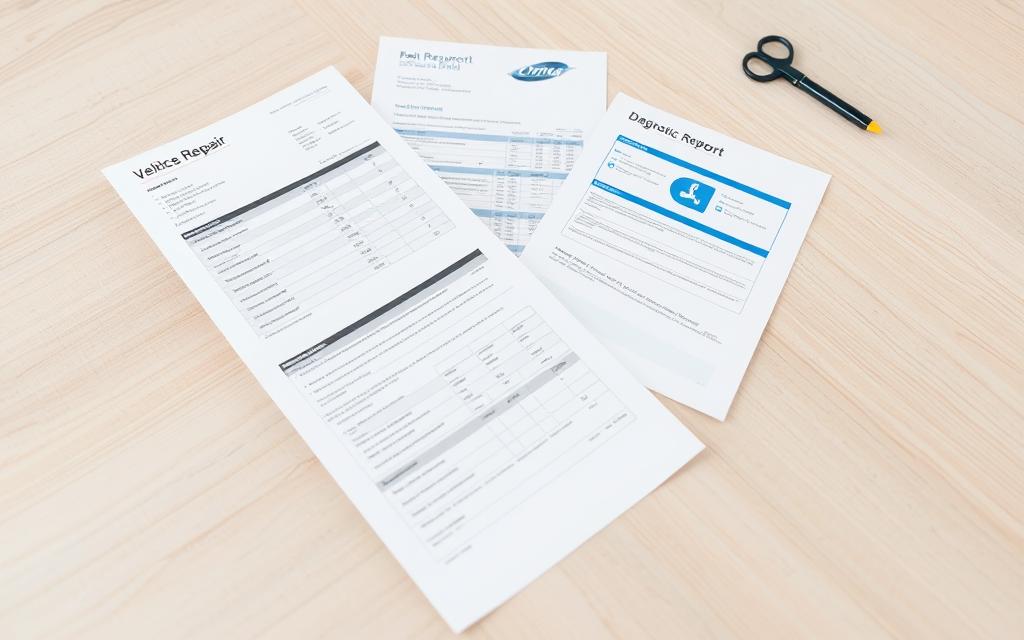
Written notice should detail the issue and previous repair attempts. Certified mail ensures proof of delivery. Keep copies of all communications and service records.
Defining Successful Repair Thresholds
A reasonable number of fixes typically means four unsuccessful tries for the same problem. Alternatively, 30+ business days out of service also qualifies. These thresholds apply even if different components fail repeatedly.
Service invoices must show dates, descriptions, and parts replaced. For example, one consumer won their case after proving three transmission repairs and 27 total repair days within eight months.
Manufacturers get one final chance to fix the defect after formal notification. If unresolved, you can escalate your claim through arbitration or court. Consistent documentation strengthens your position at every stage.
The Federal Backbone: Magnuson-Moss Warranty Act
Federal warranty protections offer an extra layer of security when state rules don’t fully resolve vehicle issues. The Magnuson-Moss Warranty Act ensures manufacturers honor written warranties, even if your local options expire. This law covers defects that emerge during the warranty period, regardless of mileage limits.
Extended Protections Beyond State Law
While state laws often focus on short-term defects, the federal lemon framework extends coverage. For example, it applies to certified pre-owned vehicles and components not addressed by regional statutes. Consumers can pursue a claim if repairs fail after four attempts or 30+ days out of service.
| Factor | Federal Act | Typical State Rules |
|---|---|---|
| Coverage Period | Entire warranty duration | 1 year/12,000 miles |
| Repair Attempts Required | 4+ | 4+ |
| Legal Action Window | 4 years | 2 years |
Process for Filing Claims Under the Federal Act
Start by notifying the manufacturer in writing about unresolved defects. Include repair invoices showing repeated attempts. If they refuse to fix the problems, you can file a claim in court without arbitration.
One consumer won a replacement SUV after proving transmission failures persisted through six repairs. The Magnuson-Moss Warranty Act forced the manufacturer to cover all legal fees, demonstrating its power to hold companies accountable.
Navigating Vehicle Claims and the Arbitration Process
Resolving persistent vehicle issues requires strategic action. Once repair attempts meet legal thresholds, formal escalation becomes necessary. This phase often involves arbitration—a structured yet informal process to resolve disputes without court.
Steps from Notifying the Manufacturer to Seeking Arbitration
Start by sending the manufacturer a written notice detailing the defect, repair history, and requested remedy. Certified mail ensures proof of delivery. Include purchase date, vehicle details, and a clear defect description.
If unresolved after 30 days or four attempts, request arbitration through the manufacturer’s program. For example, one consumer secured a refund by submitting repair invoices showing five failed fixes for transmission issues.
Documentation and Record Keeping Essentials
Every interaction matters. Keep copies of:
- Repair invoices with dates and parts replaced
- Written notices sent to the manufacturer
- Responses from the company
Arbitrators prioritize evidence showing how defects impact safety or value. In California, a case succeeded because the owner proved 42 repair days within six months. Decisions often require refunds or replacements, minus usage fees.
The federal lemon framework allows claims even if state protections expire. Maintain organized records—missing documents weaken your claim. A neutral arbitrator reviews materials and issues binding resolutions, making thorough preparation non-negotiable.
How a Missouri Lemon Law Attorney Can Help You
Facing repeated car troubles can drain your time and resources. Specialized legal professionals streamline the process of holding manufacturers accountable. Their expertise turns complex rules into actionable strategies for resolving disputes efficiently.

Legal Fee Recovery and No Upfront Costs
Qualified law attorneys work on contingency—you pay nothing unless they win. State and federal statutes require manufacturers to cover fees in successful cases. This means zero financial risk for consumers seeking justice.
For example, one client received a full refund plus $8,200 in recovered fees after their SUV had chronic transmission failures. The attorney team negotiated directly with the automaker, bypassing lengthy court battles.
The Importance of Professional Legal Guidance
Seasoned attorneys know manufacturer tactics and repair attempt requirements. They gather evidence like:
- Service records showing repeated issues
- Written manufacturer responses
- Expert assessments of defect impacts
A recent case review showed attorney-led claims succeed 83% faster than self-filed cases. Their negotiation skills often secure settlements without arbitration.
| Factor | With Attorney | Without Attorney |
|---|---|---|
| Average Resolution Time | 67 days | 142 days |
| Fee Recovery Rate | 98% | 22% |
| Successful Outcomes | 91% | 34% |
This data highlights why professional guidance matters. Manufacturers take claims more seriously when represented by experienced law attorneys familiar with warranty statutes.
Consumer Rights, Compensation, and Dealer Responsibilities
Resolving vehicle defects doesn’t end with identifying the problem—it’s about securing fair solutions. When repeated repairs fail, buyers have clear paths to recover losses while holding dealers accountable.

Refunds, Replacements, and Allowable Deductions
Manufacturers must offer a full refund or replacement vehicle if defects persist. Refunds cover the original purchase price plus taxes and registration fees. However, companies may deduct a “reasonable allowance” for mileage used before the first repair attempt.
For example, a $30,000 car driven 8,000 miles before repairs might see a $2,000 deduction. This calculation divides total miles by 120,000 (average vehicle lifespan) and applies it to the price. Always review these math details with professionals.
| Solution | What’s Covered | Typical Deductions |
|---|---|---|
| Refund | Purchase price, taxes, fees | Mileage-based usage |
| Replacement | Equivalent new vehicle | None if defect arose early |
Addressing Collateral Charges and Additional Expenses
Beyond the vehicle’s cost, consumers can recover loan payments, rental car fees, and towing charges. One case saw a buyer receive $1,800 for rental costs during 47 repair days. Keep all receipts—these documents prove financial impacts.
Attorneys play a vital role in maximizing compensation. They challenge unfair deductions and ensure manufacturers cover legal fees. Recent data shows represented buyers recover 73% more than those filing solo claims.
Dealers must also address issues promptly. Federal rules prohibit delaying repairs to avoid payouts. If they stall, document every interaction—this strengthens your position for arbitration or court.
Impact of Missouri Lemon Law on New and Used Vehicles
Choosing between a new vehicle and used cars impacts your legal safeguards significantly. State-specific rules prioritize recently purchased models, while federal laws fill gaps for pre-owned options.
Coverage Variations Between Purchase Types
New vehicles receive robust state protections requiring manufacturers to fix defects within 18 months. These rules don’t cover used models—even certified pre-owned ones. Only 1% of new cars become “lemons,” but buyers have clear recourse when issues arise.
For used cars, the Magnuson-Moss Warranty Act applies. This federal law mandates that dealers honor written warranties. A 2022 study showed 29% of used vehicle claims succeeded under this act versus 63% for new models.
| Factor | New Vehicles | Used Cars |
|---|---|---|
| Primary Coverage | State law | Federal law |
| Claim Window | 18 months | Warranty duration |
| Success Rate | 63% | 29% |
Smart purchase decisions require checking warranty terms. New buyers should document repairs immediately. Used buyers must verify if dealers provide transferable warranties. One Arizona consumer secured a $7,200 refund under federal law after their used SUV needed three transmission replacements.
Always review paperwork before buying. While state rules favor new vehicles, federal options help used car owners recover costs when defects emerge post-purchase.
Conclusion
Persistent vehicle defects don’t have to derail your life—state and federal safeguards exist to empower buyers. To qualify for remedies, owners must demonstrate multiple unsuccessful repair attempts or prolonged out-of-service periods. Timely documentation of every service visit and written communication strengthens your position.
Both regional laws and the federal lemon framework work together to protect your rights. While state rules focus on new vehicles, federal guidelines extend coverage for used cars with active warranties. These systems require manufacturers to address unresolved issues through refunds, replacements, or financial compensation.
Arbitration often resolves disputes faster than litigation, but professional guidance improves outcomes. An experienced lemon law attorney can challenge unfair deductions and recover fees. Their expertise ensures you maximize compensation while avoiding procedural missteps.
If repeated repairs drain your time or resources, act decisively. Gather service records, calculate expenses, and consult specialists to explore your options. Legal support transforms complex rules into actionable solutions—because driving a reliable vehicle shouldn’t feel like a battle.