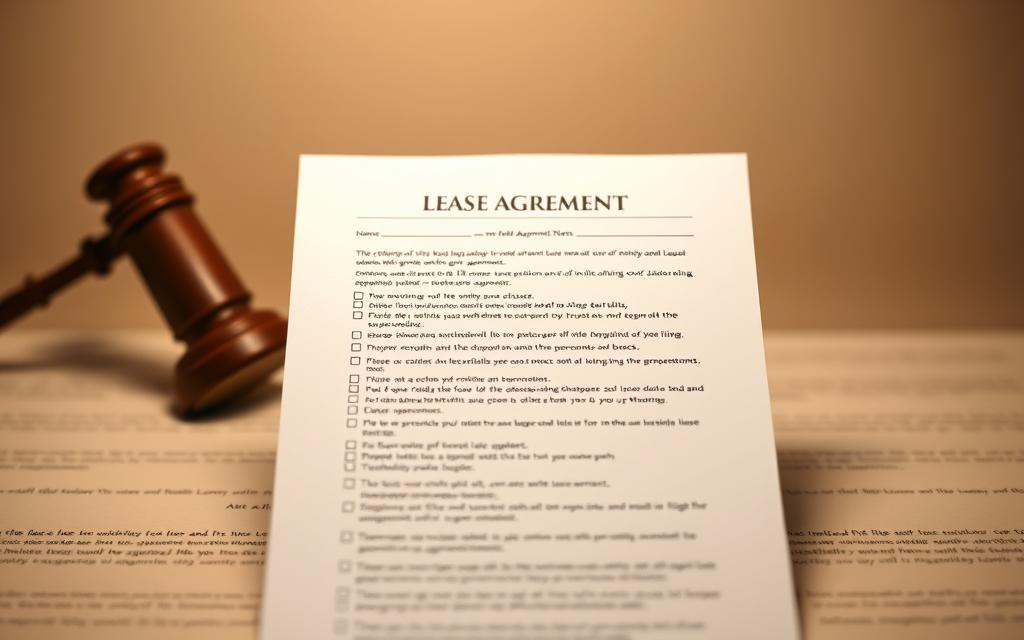
Ever thought about what makes a good rental contract? It’s not just about paper. It’s about keeping both sides safe and avoiding fights.
Learning to write a lease is like learning a new skill. It’s important to know the law. A good rental contract template is like a shield. It tells everyone what’s expected.
Legal terms can be tricky. But with the right steps, you can make a strong, safe document. This guide will help you do just that.
Table of Contents
Key Takeaways
- Lease agreements are legally binding contracts protecting both parties
- Comprehensive documentation prevents possible rental disputes
- Knowing local rental laws is very important
- Being clear about what’s expected helps avoid fights
- Professional lease agreements offer legal safety
Understanding Lease Agreements
Understanding lease agreements is key when renting a place. Both landlords and tenants need a tenant lease guide. It helps set clear rules and protect everyone’s rights. Knowing how to write a good lease is very important.
Lease agreements are very important legal papers. They tell everyone involved in renting a place what to do and what to expect. They make sure both sides know their duties and rights.
Definition of a Lease Agreement
A lease agreement is a contract between a property owner and a tenant. Month-to-month lease writing needs careful work. It makes sure everything important is clear. These documents usually have:
- Rental property details
- Length of occupancy
- Rental payment terms
- Responsibilities of both parties
Types of Lease Agreements
There are many types of leases for different needs. The main ones are:
- Fixed-Term Lease: A set time, usually 6-12 months
- Month-to-Month Lease: More flexible, with a shorter time
- Annual Lease: A standard one-year deal
Choosing the right lease depends on many things. It’s about what you need, the rental market, and what both sides want. Knowing your options helps make a better rental deal for everyone.
Key Components of a Lease Agreement
Creating a good landlord agreement form needs careful details. A well-made rental property lease form helps both tenants and owners. It sets clear rules and legal limits.
Knowing what to put in lease documents is key for good rental deals. A strong lease agreement has three main parts:
- Names of Parties Involved
- Property Description
- Lease Term Duration
Identifying the Parties
The first step is to list all parties correctly. This means:
- Full legal names of all tenants
- Complete legal name of the landlord or property management company
- Contact information for both sides
Comprehensive Property Description
A clear property description is important. Specific details matter. Include the full address, unit number, parking, and extra areas.
| Property Detail | Description Requirements |
|---|---|
| Physical Address | Complete street address, city, state, zip code |
| Unit Specifics | Apartment/unit number, floor, specific amenities |
| Included Spaces | Parking, storage, common areas |
Defining Lease Duration
Be clear about the lease term to avoid problems. Whether it’s a fixed-term or month-to-month, set exact dates. This protects both sides.
By focusing on these key points, you build a solid base for a clear and legal rental deal.
Rent Details in a Lease Agreement
Creating a detailed rent section is key in a DIY lease. It helps both landlords and tenants by setting clear money rules. This prevents fights over money.
Landlords need to focus on a few important things. This makes sure everything is clear and fair.
Monthly Rent Amount
It’s very important to say exactly how much rent is. Landlords should:
- State the exact monthly rent
- Say what money they accept
- Include the yearly rent total
Payment Methods and Due Dates
Clear payment rules help with collecting rent. They also avoid confusion. Here are some things to include:
- When rent is due each month
- How to pay
- Online
- By check
- On electronic platforms
- How long you have to pay late
Pro tip: Always have rules for late payments. This helps tenants pay on time and keeps the landlord safe.
By being clear about rent rules, landlords avoid fights. They also make sure tenants know what to expect financially.
Security Deposit Information
Understanding security deposit terms is key when making lease agreements. Both landlords and tenants need to know about these funds. They protect everyone’s interests.

Security deposits help property owners. They keep landlords safe from damage that’s not normal wear and tear. This makes sure the lease terms are followed.
Purpose of a Security Deposit
- Cover possible property damage
- Protect against unpaid rent
- Give financial peace of mind to the landlord
- Encourage tenants to be responsible
Amount and Terms for Refund
The amount of the security deposit is usually one to two months’ rent. Laws in each state say how much and when it should be returned.
| Deposit Component | Typical Guidelines |
|---|---|
| Standard Deposit Range | 1-2 months’ rent |
| Return Timeline | 14-30 days after move-out |
| Itemized Deduction Required | Yes, with written explanation |
Important: Always document the property’s condition through a detailed move-in and move-out inspection to protect both landlord and tenant interests.
Maintenance and Repairs Responsibilities
Knowing who does what for upkeep is key in a landlord-tenant lease guide. It stops fights and keeps the place nice. This is true for the whole lease.
A good rental agreement PDF should say who does what for upkeep. This helps both sides and keeps the property in good shape.
Tenant Maintenance Responsibilities
Tenants help a lot with upkeep. They should:
- Keep the place clean and safe
- Do simple cleaning and upkeep
- Tell the landlord about big upkeep needs
- Change light bulbs and batteries
- Take care of the appliances given
Landlord Maintenance Responsibilities
Landlords have to do more to keep the place good. Important things they should do include:
- Fix big structural things and systems
- Deal with safety issues
- Make sure electrical, plumbing, and heating work
- Fix things fast when asked
Talking well is key for upkeep. Both sides should write down and keep track of upkeep requests. This keeps things clear.
| Maintenance Category | Tenant Responsibility | Landlord Responsibility |
|---|---|---|
| Electrical Systems | Replace light bulbs | Repair wiring, circuit breakers |
| Plumbing | Prevent clogs, basic cleaning | Fix leaks, major pipe repairs |
| Appliances | Regular cleaning | Repair or replace major appliances |
Pro tip: Always write down upkeep requests and keep them for later.
Rules and Regulations for Tenants
Creating clear rules is key for a good lease agreement. Owners need to set rules to keep everyone happy and protect their property.
When making a rental agreement PDF, owners should list what tenants can and can’t do. This helps keep things running smoothly.
Pet Policy Guidelines
A good pet policy stops fights and damage. Here are some things to include in your lease:
- Specific pet breeds allowed or restricted
- Maximum number of pets permitted
- Required pet deposits or additional monthly fees
- Pet weight limitations
- Vaccination and registration requirements
Smoking Restrictions
Smoking rules keep property value up and tenants healthy. Clear rules about smoking protect everyone.
- Designate specific smoking areas
- Outline possible fines for breaking the rules
- Specify where smoking is not allowed
- Detail costs for cleaning or fixing smoke damage
Having clear rules in a lease helps avoid fights. It makes sure everyone knows what to do.
Termination Clauses in Lease Agreements
Lease termination clauses are key for both landlords and tenants. They help avoid fights and make sure everyone knows what to expect.
When making lease agreements, landlords need to write clear termination clauses. These clauses tell when a rental contract can end. They help plan for different situations that might end the lease.
Early Termination Options
Month-to-month leases need to be flexible for sudden changes. Common reasons for early ending include:
- Job relocation
- Military deployment
- Significant life changes
- Property sale or renovation
Notice Period Requirements
Leases usually need a certain notice time to end. Here are some common rules:
- 30-day written notice for month-to-month leases
- 60-day notice for long-term leases
- Documented communication with the property manager
Tenants should check their lease termination clause. It tells about any fines or steps needed to end the lease legally.
Lease Renewal Process

Understanding the lease renewal process is easy when you know the steps. A good rental contract template helps both sides. It makes sure everyone knows what to expect.
The renewal process has important parts for both parties. A detailed landlord agreement form should list renewal terms early. This is before the lease ends.
Essential Lease Renewal Terms
When it’s time to renew, think about these key points:
- Give written notice 30-60 days before it ends
- Make sure to talk about renewal options
- Point out any changes in the lease
- Set a deadline for making a decision
Rent Adjustment Procedures
Rent changes are a big part of renewal talks. Things that might raise the rent include:
- What the local market is like
- Costs for keeping the property up
- The tenant’s history of paying rent
- The state of the economy
Pro tip: Always write down why rent might go up. This keeps things good between you and your landlord.
Good lease renewals need clear talk, fair deals, and understanding. With a detailed rental contract, landlords can make renewals smoother. This helps avoid problems.
Adding Additional Provisions
Making a good lease agreement needs careful thought. It must cover special needs and possible situations. A custom lease helps landlords keep their property safe and clear for tenants. It also helps avoid future problems.
When making a subleasing guide, owners must write clear rules. These rules protect their property and are important for both sides.
Alterations and Modifications
Changes to a rental can be big. A good lease should say:
- What changes are okay
- When the landlord must agree
- Who fixes things back to normal
- What happens if changes aren’t allowed
Subleasing Policies
Subleasing can be tricky. Landlords need clear rules to handle risks.
| Subleasing Condition | Specific Requirements |
|---|---|
| Tenant Screening | Landlord must approve the sublessee |
| Duration Limits | Sublease can’t last more than 6 months |
| Financial Responsibility | The original tenant pays for rent and damages |
Adding comprehensive additional provisions makes a strong lease. It covers different situations and follows the law.
Compliance with Local Laws
Understanding legal lease terms is complex. Landlords need to know local laws well. This helps protect both landlords and tenants.
Creating a good landlord-tenant lease guide is important. Local laws can change a lot. They affect lease agreements a lot.
Understanding Local Landlord-Tenant Laws
Every state and city has its own rules for rental properties. Important areas include:
- Security deposit limits
- How to evict tenants
- What to tell tenants
- Privacy rights of tenants
Fair Housing Regulations
Fair housing laws help keep tenants safe from unfair treatment. Landlords must know who is protected. They must make sure leases don’t keep out certain people.
| Protected Class | Legal Protection |
|---|---|
| Race | Cannot refuse housing based on racial identity |
| National Origin | Cannot discriminate based on birthplace or ancestry |
| Religion | Cannot deny housing due to religious beliefs |
| Disability | Must provide reasonable accommodations |
Landlords should talk to local lawyers to follow all laws. Knowing the laws ahead of time helps avoid legal problems.
Consequences of Breach of Contract
When making a legal document for lease agreements, knowing the consequences of breaking the contract is key. A rental agreement PDF should clearly say what happens if either side doesn’t do what they agreed to.
Lease agreements have rules that help both landlords and tenants. If these rules are broken, it can lead to big legal and money problems.
Potential Remedies for Landlords
- Issuing formal written warnings
- Charging late payment fees
- Initiating eviction proceedings
- Withholding security deposit
Legal Actions Available to Tenants
- Filing complaints with local housing authorities
- Seeking legal representation
- Requesting repair or maintenance compensation
- Pursuing breach of contract lawsuits
The following chart shows what can happen if the contract is broken:
| Breach Type | Landlord Consequence | Tenant Consequence |
|---|---|---|
| Non-payment of rent | Can initiate eviction | Potential credit score damage |
| Property damage | Can claim repair costs | Loss of security deposit |
| Violation of lease terms | Can terminate lease | Legal action possible |
Making a good lease agreement helps avoid fights and gives clear rules for fixing problems when they happen.
Tools for Writing a Lease Agreement
Creating a rental contract can be hard for landlords and property managers. The right tools make it easier to write a legal lease agreement. This protects both sides.
Looking for free lease agreement drafts needs careful thought. There are many resources to help make good rental agreements.
Online Templates and Resources
Many reliable sites offer lease agreement templates:
- Legal websites with customizable rental contract templates
- State-specific lease agreement platforms
- Professional real estate association resources
When picking an online template, think about these important things:
- Make sure the template fits your state’s rental laws
- Check if the document has all the key lease parts
- Look for updates in the template
Seeking Legal Advice
Online tools are great, but getting legal advice is even better. Experienced real estate attorneys can check your lease. They make sure it’s strong and protects you.
Take time to learn about local laws. Make a clear, detailed rental contract. This will help your landlord-tenant relationship succeed.
Reviewing and Finalizing the Lease Agreement
Creating a legally binding lease needs careful attention. You must check every clause to make sure it’s clear and protects both sides.
When making a rental agreement PDF, you need to look at everything closely. This makes sure the lease terms can be followed. Landlords and tenants should work together to make sure everything is right.
Importance of Thorough Review
A detailed review stops misunderstandings and legal problems. Here are some important steps:
- Check all personal and property details for accuracy
- Verify financial terms and payment schedules
- Confirm maintenance responsibilities
- Ensure compliance with local rental regulations
Signatures and Legal Validation
Signing the document makes it legally binding. Both sides must read and understand each part before signing.
| Signing Requirements | Details |
|---|---|
| Number of Copies | Minimum 2 signed copies (one for each party) |
| Signature Locations | Last page of the agreement |
| Witness Recommendation | Notarization recommended for additional legal protection |
Digital signatures are getting more accepted. But, check local laws for electronic lease agreements.
Common Mistakes to Avoid
Making a good tenant lease guide needs careful work. Many landlords make big mistakes in their lease agreements. These mistakes can cause problems later.
When making lease documents, landlords must watch out for mistakes. These mistakes can make the agreement not work well.
Vague Language Traps
Using unclear language can cause big issues. Landlords should not use words that can be seen differently by tenants. Clear words help everyone understand and avoid problems.
- Use exact descriptions of property conditions
- Define specific responsibilities for maintenance
- Outline precise rent payment expectations
Local Law Compliance Challenges
Not following local laws can make lease terms not work. Each place has its own rules for renting. These rules must be added to the agreement.
- Research current local landlord-tenant laws
- Consult local housing authorities
- Update lease terms annually
Critical Omissions to Prevent
Smart landlords know that comprehensive documentation is important. Not adding important parts can leave them open to legal trouble.
- Security deposit terms
- Maintenance responsibility guidelines
- Specific property use restrictions
By avoiding these mistakes, landlords can make strong, legal lease agreements. These agreements protect their property and set clear rules for tenants.
Importance of Documentation
Keeping accurate records is key when you own rental properties. A good landlord-tenant lease guide shows how important it is. It helps protect both landlords and tenants.
Choosing where to store lease agreements is important. You want a system that keeps them safe and easy to find.
Keeping Copies for Records
When you make a lease agreement, follow these steps:
- Keep an original signed copy for yourself
- Give a copy to the tenant
- Save a backup in a safe place
- Make digital copies of all documents
Digital vs. Physical Copies
Today, we use a mix of digital and physical storage for rental agreements:
| Storage Method | Pros | Cons |
|---|---|---|
| Physical Copies | Real evidence | Can get damaged or lost |
| Digital Copies | Easy to share and save | Can have tech problems |
| Cloud Storage | Accessible anywhere | Needs a secure place |
Having a solid plan for keeping documents is vital for your rental business. Using both digital and physical backups is the best way to manage lease agreements.
Conclusion: Final Thoughts on Lease Agreements
Making a strong rental contract needs careful thought and knowing the law. A good lease agreement helps both sides and makes things clear from the start.
When making a lease, owners should be clear, specific, and follow the law. Each part of the lease should cover different situations, show who does what, and be easy to understand. The best leases solve problems before they start.
Knowing how to write a lease is key to good rental management. Owners who take the time to make detailed leases have fewer problems. They also have happier tenants. This guide helps landlords make agreements that protect their property and keep tenants happy.
In the end, a smart lease is more than a legal paper. It’s a plan for respect, clear talk, and success in renting out property.